Montenegro
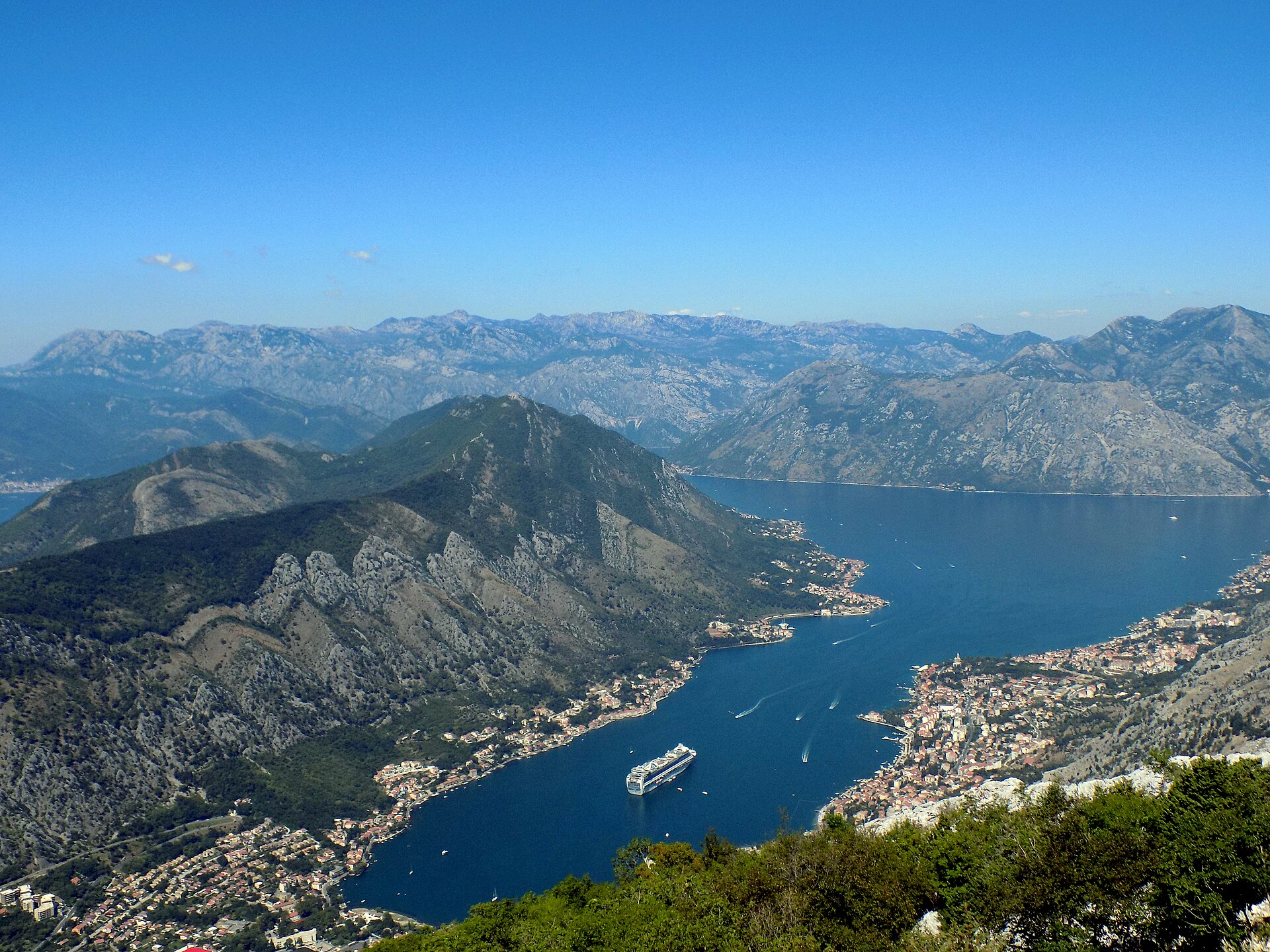
Go in May–Jun or Sep–Oct for a trip that combines the coast with the mountains outside the busiest summer months.

When is the best time to visit Montenegro?
Go in May–Jun or Sep–Oct to combine the coast and mountains outside the busiest summer months.
Month by month
- Ideal
- Good
- Workable
- Poor / Avoid
- Now
October · Good. Mild coast and quieter mountains, though rain becomes more frequent.
Pick a month to read its note
January
- High / low
- 13° / 6°
- Rain
- 10 days
- Sea
- 14°
- Daylight
- 10 h
- Crowds
- Low
- Prices
- Low
February
- High / low
- 14° / 6°
- Rain
- 10 days
- Sea
- 14°
- Daylight
- 11 h
- Crowds
- Low
- Prices
- Low
March
- High / low
- 16° / 8°
- Rain
- 9 days
- Sea
- 14°
- Daylight
- 12 h
- Crowds
- Low
- Prices
- Low
April
- High / low
- 19° / 11°
- Rain
- 9 days
- Sea
- 15°
- Daylight
- 13 h
- Crowds
- Shoulder
- Prices
- Shoulder
May
- High / low
- 24° / 15°
- Rain
- 7 days
- Sea
- 18°
- Daylight
- 15 h
- Crowds
- Shoulder
- Prices
- Shoulder
June
- High / low
- 28° / 18°
- Rain
- 4 days
- Sea
- 22°
- Daylight
- 15 h
- Crowds
- Shoulder
- Prices
- Shoulder
July
- High / low
- 30° / 21°
- Rain
- 3 days
- Sea
- 24°
- Daylight
- 15 h
- Crowds
- Peak
- Prices
- Peak
August
- High / low
- 30° / 21°
- Rain
- 3 days
- Sea
- 25°
- Daylight
- 14 h
- Crowds
- Peak
- Prices
- Peak
September
- High / low
- 27° / 18°
- Rain
- 6 days
- Sea
- 23°
- Daylight
- 12 h
- Crowds
- Shoulder
- Prices
- Shoulder
October
- High / low
- 23° / 14°
- Rain
- 9 days
- Sea
- 21°
- Daylight
- 11 h
- Crowds
- Shoulder
- Prices
- Shoulder
November
- High / low
- 19° / 11°
- Rain
- 10 days
- Sea
- 18°
- Daylight
- 10 h
- Crowds
- Low
- Prices
- Low
December
- High / low
- 14° / 7°
- Rain
- 12 days
- Sea
- 16°
- Daylight
- 9 h
- Crowds
- Low
- Prices
- Low
Where to go in Montenegro
Start in Kotor’s old town for the Bay of Kotor, then head inland or farther along the coast.
Kotor
Explore the walled old town, climb towards the fortress and use the town as a base for the Bay of Kotor.
How the regions differ
The Adriatic coast ranges from the sheltered Bay of Kotor to beaches and seaside towns farther south. Kotor is the natural starting point for the bay, while other coastal bases offer easier access to beaches.
Inland, the landscape rises towards mountains, lakes and national parks. Podgorica is a transport gateway, while the north is better suited to hiking and mountain scenery.
Things to do in Montenegro
Montenegro is best for combining swimming and coastal towns with mountain walks and national parks.
Explore Kotor's lanes from the Sea Gate
Start at the Sea Gate and wander through stone lanes, church squares and passages beneath the town's mountain-backed defences. This walk focuses on the old town rather than the separately ticketed fortress climb.
Walk beside Black Lake beneath Durmitor's peaks
Follow the lakeside paths for changing views of forest, water and the rocky slopes above. It is an approachable way to experience Durmitor without committing to a summit hike.
Climb to Njegoš's mountaintop mausoleum
Ascend the tunnel staircase to the tomb of Montenegro's poet-ruler, with monumental sculpture by Ivan Meštrović and views across Lovćen's rocky ridges. Check seasonal opening before travelling: the mausoleum closes for winter.
Visit Ostrog's cliffside cave churches
Visit the upper monastery, built into an almost vertical cliff, to see its frescoed cave churches and look across the Zeta valley. This is an active pilgrimage site, so approach the chapels quietly and respectfully.
Follow the woodland trail around Biogradsko Lake
Start by the lakeside information board and follow the educational circuit through the surrounding forest. The waterside route offers a gentler alternative to the park's longer mountain walks.
Explore the ruined streets of Stari Bar
Walk through the fortified old city's ruined lanes, churches and restored buildings. The remains of palaces, baths and an aqueduct reveal how different powers shaped this inland predecessor of modern Bar.
Where to stay in Montenegro
Base yourself in Kotor for the bay, a coastal town farther south for beaches, and Žabljak for the northern mountains.
Old-town stays on the Bay of Kotor
Choose Kotor for exploring historic lanes and the surrounding bay; staying overnight lets you enjoy the old town beyond a daytime visit. The trade-off is concentrated cruise-ship crowds and congestion around the centre.
Beach days and late nights
Budva suits travellers who want beaches, an old town and plenty of evening entertainment in one base. Its established nightlife is also the drawback for light sleepers: choose accommodation away from the seafront bars if quiet matters.
A mountain base for Durmitor
Choose Žabljak for walking among Durmitor’s peaks, forests and glacial lakes, rather than for a coastal holiday. It suits an outdoors-focused stay, but its inland mountain setting makes it a separate base rather than a substitute for a beach town.
How much does a trip to Montenegro cost?
Allow ≈€90–170 a day mid-range, including shared accommodation, meals, transport and sightseeing.
Mid-range
€90–170
per person, a day
Budget
€45–75
per person, a day
Comfort
€200+
per person, a day
What things cost
- Espresso at Caffé Nero, Podgorica.
- ≈€1.60
- Nikšićko bottled beer, 330 ml, at Eagle’s Nest ecolodge.
- ≈€2.40
- Simple restaurant lunch; coastal summer prices can be higher.
- €8–12
- Mid-range double room per night, before splitting between two visitors. Daily budgets are planning estimates for shared accommodation, meals, transport and sightseeing.
- €90–170
- Still water, 330 ml, at Eagle’s Nest ecolodge.
- ≈€1.60
Getting to and around Montenegro
Fly to Podgorica or Tivat, or take an international train from Belgrade to Podgorica or Bar; a hire car makes it easier to explore the coast and mountains.
Getting there
- By air
- Podgorica Airport. (TGD), Tivat Airport. (TIV)
- By rail
- Bar railway station — international trains to Belgrade., Podgorica railway station — international trains to Belgrade.
Before you go: visas, safety and money
Check visa rules for your passport; Montenegro uses the euro, and you should watch for pickpockets and take care on mountain roads.
Do I need a visa for Montenegro?
- EU and Schengen citizens
- EU citizens and citizens of Iceland, Liechtenstein, Norway and Switzerland can enter without a visa for up to 90 days with a valid passport. A valid national identity card allows a visa-free stay of up to 30 days.
- UK citizens
- British citizen passport holders can visit without a visa for up to 90 days in any 180-day period. Your passport must have been issued less than 10 years before arrival and remain valid for at least 3 months after your planned departure.
- US citizens
- US passport holders can visit without a visa for up to 90 days in any 180-day period. The US State Department states that your passport must be valid at entry, with one blank page available for an entry stamp.
- Other passports
- Visa requirements and permitted stays depend on nationality: Montenegro's official list grants many passport holders visa-free visits of up to 90 days, while others need a visa. A valid passport is required; confirm the applicable visa, stay limit and passport-validity requirements with a Montenegrin diplomatic mission before travel.
From 1 November 2026, nationals of Belarus, China, Russia, Saudi Arabia and Türkiye will require a visa to enter Montenegro, according to the Ministry of Foreign Affairs announcement.
Is Montenegro safe?
As of 28 October 2026, the US rates Montenegro Level 1: exercise normal precautions; the UK FCDO advises against travel to no specific areas. Watch for pickpockets at tourist sites, beaches and on public transport, and avoid isolated areas at night and confrontations. Rural roads deteriorate in winter and bad weather; the Morača Canyon road can be dangerous in poor conditions, while summer congestion affects coastal routes. Wildfires are common April–October, earthquakes are possible, and mountain walkers should stay on marked paths and check local weather advice.
Quick facts
- Emergency
- 112 (all services), 122 (police), 123 (fire and rescue), 124 (ambulance), 129 (help at sea).
- Money
- Euro (EUR); cards are widely accepted in hotels, larger restaurants and supermarkets, but carry cash for small cafés, markets, taxis and rural areas. Tipping is optional; around 10% is appreciated in restaurants, and rounding up is usual for taxis and bars.
- Plugs
- Type C and F, 230 V, 50 Hz.
Do I need a visa for Montenegro?
- EU and Schengen citizens
- EU citizens and citizens of Iceland, Liechtenstein, Norway and Switzerland can enter without a visa for up to 90 days with a valid passport. A valid national identity card allows a visa-free stay of up to 30 days.
- UK citizens
- British citizen passport holders can visit without a visa for up to 90 days in any 180-day period. Your passport must have been issued less than 10 years before arrival and remain valid for at least 3 months after your planned departure.
- US citizens
- US passport holders can visit without a visa for up to 90 days in any 180-day period. The US State Department states that your passport must be valid at entry, with one blank page available for an entry stamp.
- Other passports
- Visa requirements and permitted stays depend on nationality: Montenegro's official list grants many passport holders visa-free visits of up to 90 days, while others need a visa. A valid passport is required; confirm the applicable visa, stay limit and passport-validity requirements with a Montenegrin diplomatic mission before travel.
From 1 November 2026, nationals of Belarus, China, Russia, Saudi Arabia and Türkiye will require a visa to enter Montenegro, according to the Ministry of Foreign Affairs announcement.
Is Montenegro safe?
As of 28 October 2026, the US rates Montenegro Level 1: exercise normal precautions; the UK FCDO advises against travel to no specific areas. Watch for pickpockets at tourist sites, beaches and on public transport, and avoid isolated areas at night and confrontations. Rural roads deteriorate in winter and bad weather; the Morača Canyon road can be dangerous in poor conditions, while summer congestion affects coastal routes. Wildfires are common April–October, earthquakes are possible, and mountain walkers should stay on marked paths and check local weather advice.
Money, plugs and emergencies
- Emergency
- 112 (all services), 122 (police), 123 (fire and rescue), 124 (ambulance), 129 (help at sea).
- Money
- Euro (EUR); cards are widely accepted in hotels, larger restaurants and supermarkets, but carry cash for small cafés, markets, taxis and rural areas. Tipping is optional; around 10% is appreciated in restaurants, and rounding up is usual for taxis and bars.
- Plugs
- Type C and F, 230 V, 50 Hz.
Questions people ask
Is Montenegro worth visiting?
Yes, especially if you want to combine coastal towns and swimming with mountain scenery. Its small size makes a varied trip possible, though summer traffic and crowds can slow travel around the coast.
How many days do you need in Montenegro?
A week is enough for a coastal stay and a short visit to the mountains; 10 days gives you more flexibility. With less time, focus on the Bay of Kotor rather than trying to cover the whole country.
Do you need a car in Montenegro?
You do not need a car for a trip focused on the main coastal towns, which are linked by buses. A hire car is more useful for reaching trailheads, villages and viewpoints inland; allow extra care on narrow mountain roads.
Is Montenegro expensive to visit?
Montenegro can be moderately priced, but popular coastal towns are generally more expensive in peak summer. Staying away from the waterfront, eating at local cafés and using buses can help keep costs down.
Is Montenegro better than Croatia for a holiday?
Choose Montenegro for a compact trip combining the Bay of Kotor with northern mountains; choose Croatia for a longer coastline and more islands. Montenegro can be easier to cover on a shorter trip, although both countries get busy on the coast in summer.
Do you need a visa for Montenegro?
Visa requirements depend on your passport and the length and purpose of your visit. Check the current entry conditions with an official Montenegrin source before booking, including passport validity requirements.
Can you swim in Montenegro outside summer?
You can swim outside summer, but sea temperatures and weather are less reliable. September is generally a better bet than spring if warm water matters to you; conditions vary from year to year.